
By: Felix Ikpotor
The Hydrocarbon Pollution Remediation Project (HYPREP) says it is elated with the transformative progress it is making in its mangrove restoration programme in Ogoniland, saying it reaffirm Nigeria’s commitment to protecting wetlands as vital ecosystems for people, biodiversity, and climate resilience.
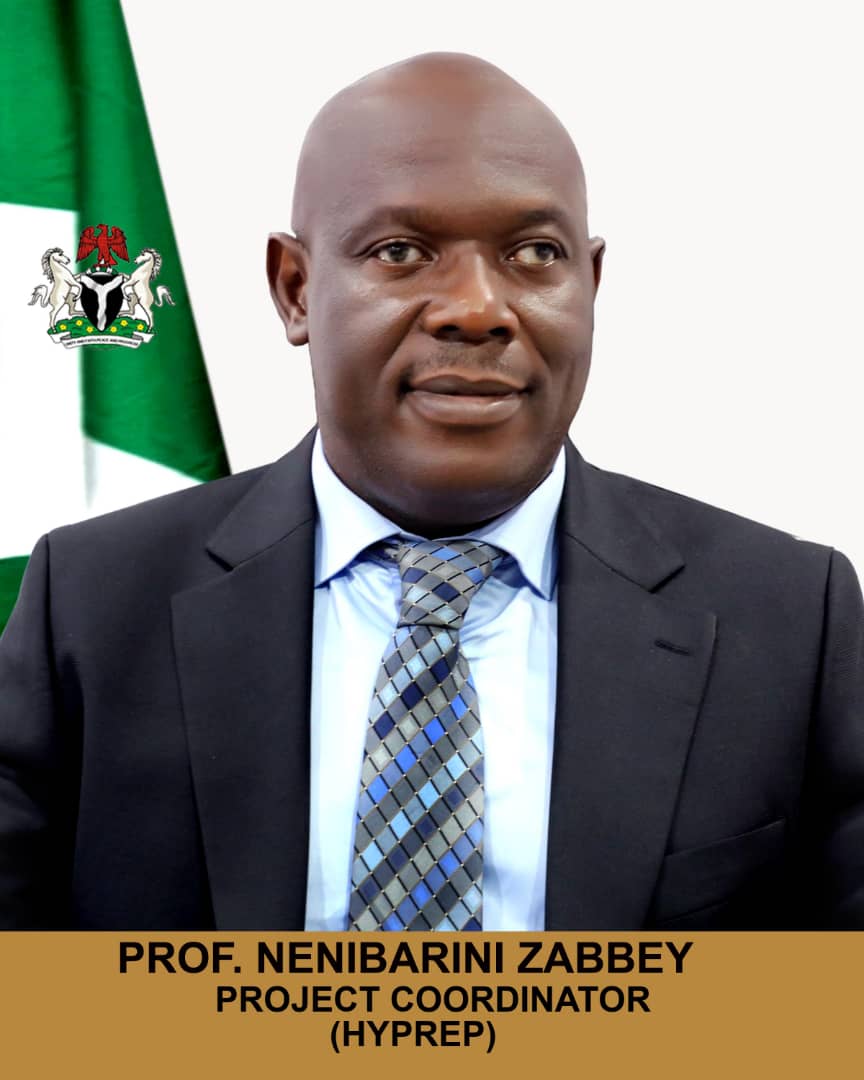
This was contained in a statement signed by the Project Coordinator, Professor Nenibarini Zabbey, to mark the 2026 World Wetlands Day, with the theme, ‘Wetlands and Traditional Knowledge: Celebrating Cultural Heritage,’’
Zabbey said the successful completion of Phase 1 of HYPREP’s restoration of 560 ha of oil-degraded mangrove, and over 76% completion of the Phase 1 shoreline cleanup in Ogoni, contributes to cheering signs of biodiversity recovery in the creeks and significantly improving the livelihoods of communities.
Imperatively, he added that HYPREP’s mangrove restoration initiative is science-based, involving large-scale restorative planting of five native mangrove species, and promoting community-led stewardship.
”HYPREP mangrove restoration project integrates environmental best practices with strong health, safety, and environment (HSE) standards, ensuring the restoration is sustainable, inclusive, and aligned with international wetland conservation principles”.
”HYPREP has strategically designed its mangrove restoration programme with a perfect blend of art, science and traditional knowledge. This further informs why the mangrove restoration programme is mimicking the natural zonation of the predominant species (black, white and red) in the Ogoni creeks,” Zabbey stated.
He said reports from the Post Fish stock Assessment in the Bomu Creek, where HYPREP is carrying out Mangrove restoration and Shoreline Cleanup, are showing promising signs of biodiversity recovery and increased fisheries production, with fish species not seen before the restoration returning, adding “This is cheering news as local fisherfolk can now return with appreciable catches, which signals the rejuvenation of the livelihood of the people. Women and young people are now picking periwinkles in the Bomu Creek”.
Zabbey explained that HYPREP mangrove restoration project in Ogoni goes beyond seedling planting, adding that it is a harbinger of ecosystem revitalization, restoring hope and reawakening the cultural heritage of the people.
According to him, “Healthy wetlands mean safer shorelines, improved fisheries, enhanced carbon sequestration, and renewed livelihoods for communities”.
He noted that the participation of local fisherfolk and Mangrove Vanguards in HYPREP’s fish stock assessment and mangrove restoration programme is borne out of the need to consciously adopt traditional knowledge while revamping the rich cultural heritage associated with communal fishing practices and the community efforts to preserve their sources of livelihood.
More so, he said the Project’s effort at reintroducing the West African Cookle in the creeks of Ogoni resonates with the nostalgia of the seafood that is intrinsically connected in many ways to the cultural identities of the Ogoni people.
Zabbey said HYPREP acknowledges the critical roles of community leadership and residents, civil society partners, and relevant government agencies, whose collective efforts he said have been central to on-the-ground progress.
”We, therefore, urge sustained partnership, policy support, and responsible environmental stewardship to safeguard Nigeria’s wetlands. The Ogoniland mangrove restoration stands as a practical example of how degraded wetlands can be restored to deliver lasting environmental and social benefits,” Zabbey stated.
