
By: Felix Ikpotor
Rivers State in the past few years have become a hotbed for targeted political harrassment/ intimidation especially against perceived opponents and strong oppositions, creating a dangerous and exclusionary environment for women seeking political representation.
With almost all political parties concluding their party primaries in preparation for the 2027 elections, a worrying pattern has emerged, ranging from violent crush of women meetings at the grassroots level to systemic exclusion of seasoned female leaders from the contest. This structural and physical hostility underscores the deep-seated political intolerance plaguing the state’s democracy.
Grassroots Opposition Against Women:
The month of March 2026 marked the beginning of a violent escalation in the suppression of alternative political voices in Rivers State, with the African Democratic Congress (ADC) suffering most of the onslaught. However, this time, rather than the enforcers of this attacks targeting high-profile men, they turned their aggression against harmless women’s forums, with the sole aim of cutting off political mobilization at the grassroots.
Reported Cases of Attack on Women:
The Alesa-Eleme ADC attack:
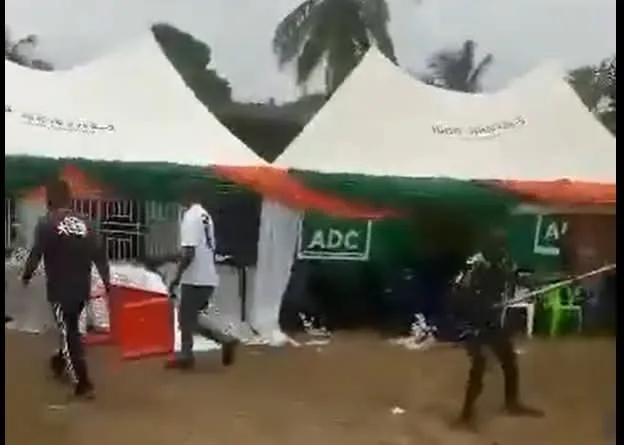
Specifically on Friday, March 20, 2026, the ADC Young Women Forum, a group of young women and aspiring women within the party gathered outside the Alesa Town Hall in Eleme Local Government Area for its maiden meeting. The meeting was intended strictly for internal organization and grassroots mobilization for the party and its candidates in the forthcoming elections.
While the organizers where still setting up their chairs and public address system, suspected political thugs led by an All Progressives Congress (APC) ward councillor, Daddy Chikere, invaded the venue. The hoodlums during that attack, vandalized the setup, breaking plastic chairs and tearing down event banners and canopies. They also overturned loudspeakers and disconnected the sound systems, and ultimately, dispersed the terrified women.
When confronted about his action, the local councillor hinged his actions under the false pretext that the meeting didn’t get clearance from the Independent National Electoral Commission (INEC) or prior authorization from the local government council chairman.
Reacting to the incident, National Coordinator of the forum, Ms. Atosemi Oma-Uwame, condemned the assault as a calculated attempt to stifle democracy. She revealed that she had received prior threats warning her never to host any gathering using the ADC platform in the area.
However, the Alesa Eleme was not an isolated case but rather a repetition of a systemic pattern of attack on political opponents in the state. Earlier in March, a similar disruption occurred at an ADC event in the Abua/Odual Local Government area with similar pattern of logistics sabotage, physical threats, assualt and local administrative blockade.
In their quick reactions to the incidents, civil society organizations such as the International Society for Social Justice and Human Rights (ISSJHR), warned that the silence of government actors on these targeted attacks have contributed to emboldening perpetrators, and further raising questions about whether there can ever be freedom for opposition political parties to campaign and present their candidates for the elections.
Disqualification of Leading Female Voices:
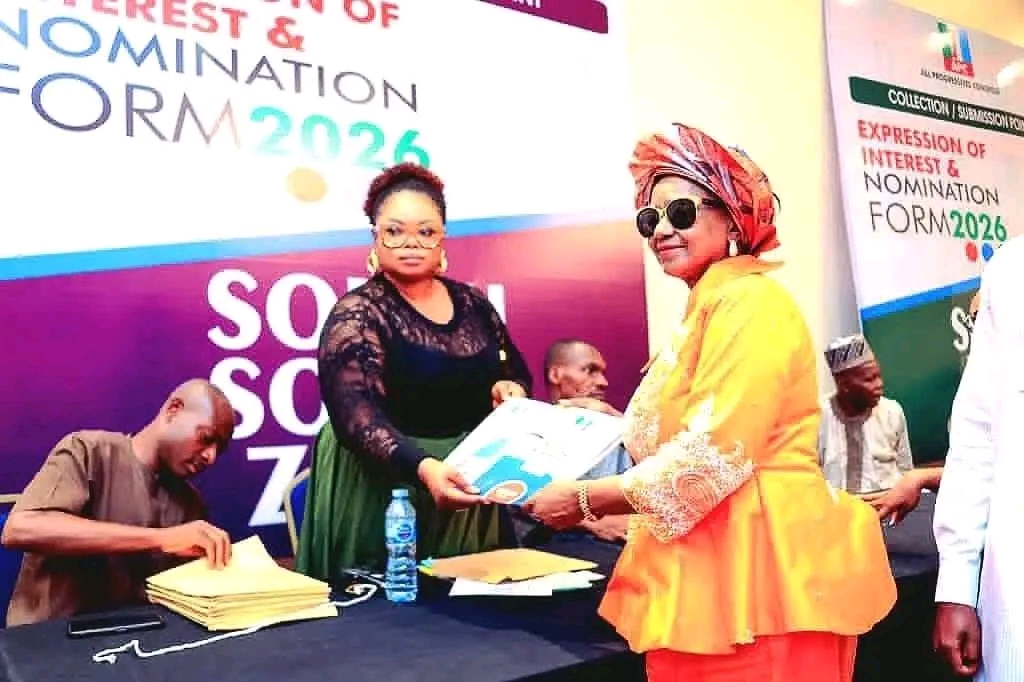
While grassroots women in Eleme and Abua are deterred from gathering or participating in politics using physical violence, elite female politicians face institutional roadblocks designed to end their candidacies before a single vote is cast. The most high-profile casualties of this political gatekeeping in 2026 are Dr. Ipalibo Harry-Banigo, Hon. Boma Goodhead and Mrs Tonye Briggs-Oniyide.
Dr. Harry-Banigo, the immediate past Deputy Governor of Rivers State and the incumbent Senator representing Rivers West Senatorial District, and Hon. Boma Goodhead, the incumbent member representing Asari-Toru/Akuku-Toru Federal Constituency in the House of Representatives, who were both elected on the platform of the People’s Democratic Party (PDP), formally defected to the All Progressives Congress (APC) in March 2026. Their defection was celebrated as a major win for the APC in the Senate and House of Representatives. Their early defection paved the way for their registration with the APC to qualify to contest on the party’s platform.
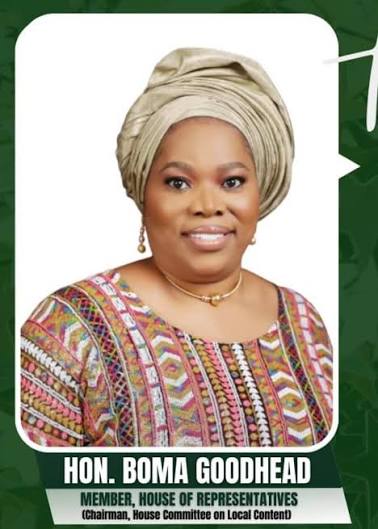
However, while Boma Goodhead was disqualified on May 15th and refused from contesting the party primaries for May 16th, Dr. Harry-Banigo was disqualified May 17, 2026—just 24 hours before the APC senatorial primary election. The Rivers APC Screening Comittee who disqualified them alongside other notable aspirants like Ojukaye Flag-Amachree and Tein Jack-Rich, however, didn’t provide them with sufficient time to appeal their disqualification before the party primaries were conducted.
For Mrs. Tonye Briggs-Oniyide, a former commissioner for women affairs, former local government chairman and her current position as the State Coordinator of the Renewed Hope Initiative (RHI)- a pet project of Mrs Oluremi Tinubu couldn’t earn her qualification for the APC primaries as her desire to represent the people of Akuku-Toru Constituency 1 in the Rivers State House of Assembly was immediately cut short.
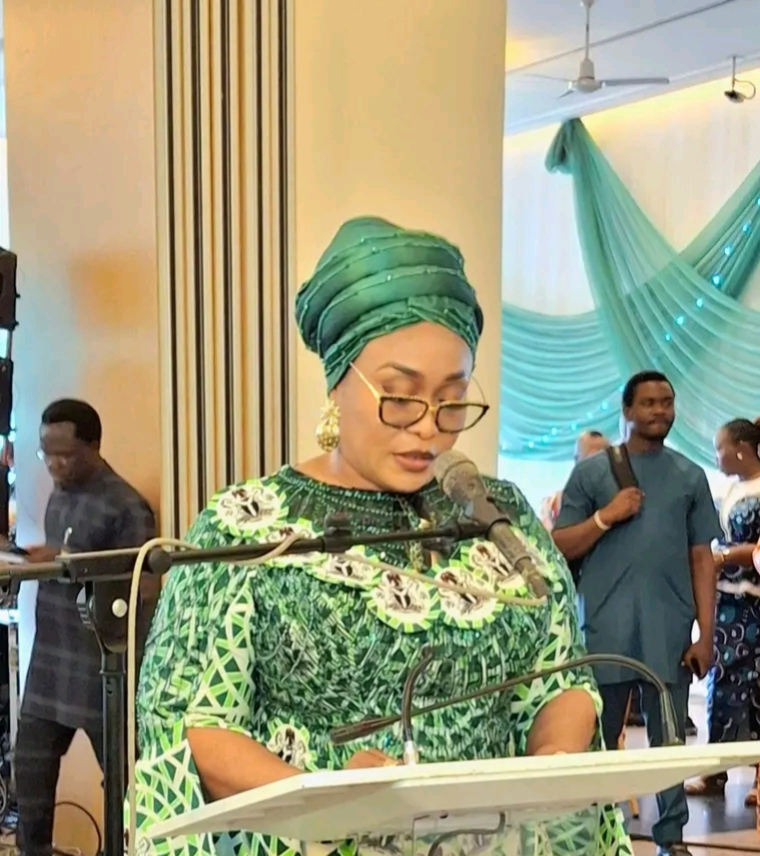
The Rivers APC Screening Committee, refused to offer any cogent or official reasons for the non-clearance of this leading female voices.
However, political analysts say the move could be a direct fallout of the bitter warfare between Governor Siminalayi Fubara and the FCT Minister, Nyesom Wike.
Reacting to her exclusion from the primaries before her supporters at Obuama in the Degema Local Government Area, Dr. Harry-Banigo rejected the screening outcome. She described the committee’s decision as unfair and fiercely gender-insensitive, declaring: “National politics is where you bring out your best… The APC cannot afford to sideline experienced women at a time when there is growing advocacy for increased female representation in politics.”
Reacting to these developments, Dr Barisi Nwisia, a women development advocate called on government at all levels and the political parties to put in place mechanisms to ensure protection of women’s interest.
She insisted that the 35 percent affirmative action shouldn’t just be a work on paper but mercenaries be put in place to make it a reality.
Democracy on the Edge
The broader implications of this dual-layered assault on female political actors in Rivers State—physical thuggery on the ground and administrative execution at the top, analysts say has severe consequences for Nigeria’s political landscape.
Democratic Regression: When local authorities use “security clearance” as a weapon to shut down political forums, grassroots democracy transitions into a de facto one-party dictatorship which becomes very unhealthy for a democratically young nation like Nigeria.
The Gender Attack Effect: Aggression against groups like the ADC Young Women Forum and other women gatherings sends a dangerous signal of hostility to young women that entering the political arena invites physical attack and property destruction.
Disregard for Merit: When a sitting female senator and former deputy governor, a serving female House of Representatives member are djsqualified without transparent criteria indicates that institutional loyalty and factional subversion are valued far above legislative competence and experience.
As Rivers State progresses deeper into the 2027 election cycle, the shrinking space for women in politics highlights a troubling reality: in the fight for the soul of Rivers State, women have not only been rendered as bystanders caught in the crossfire—they are being deliberately targeted to ensure the survival of an aggressive, male-dominated political hegemony.
